

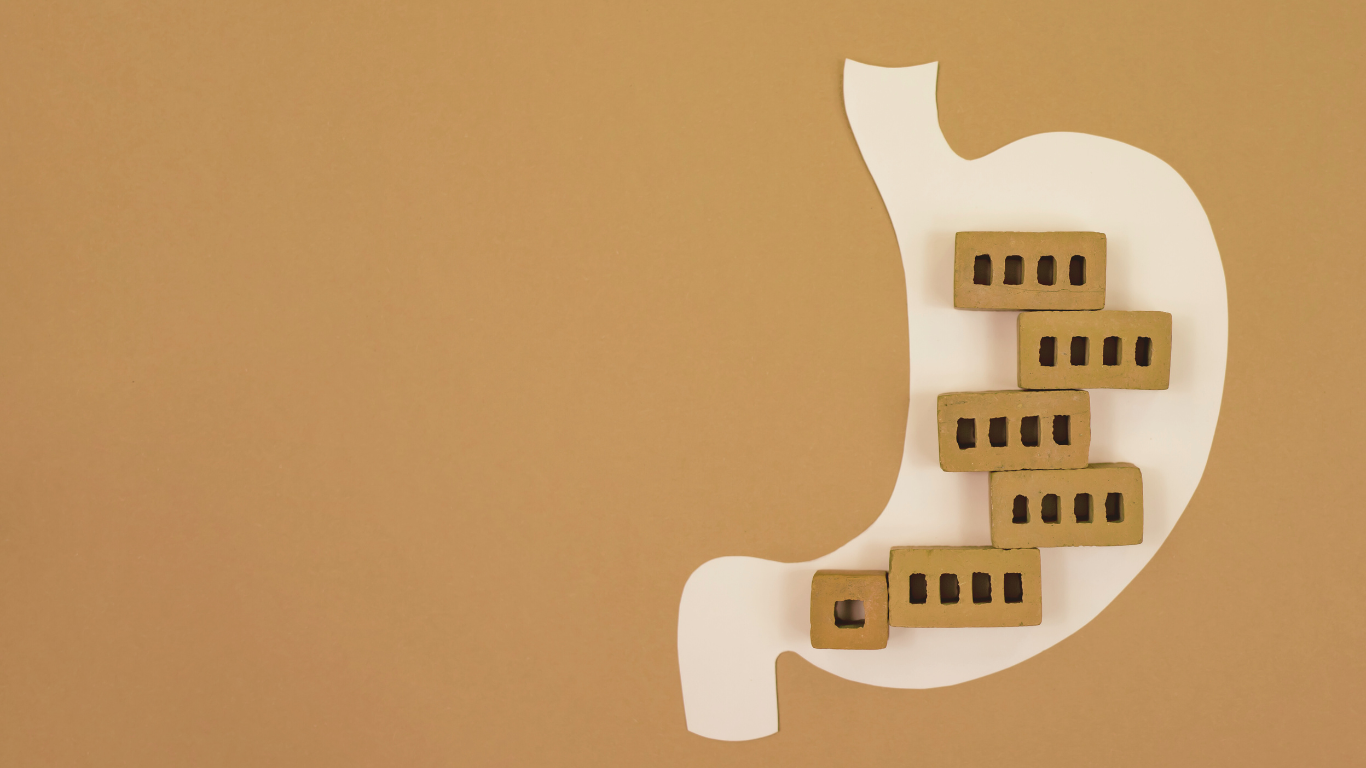
Medical Strategies to Support Gut Healing
-
Identify and Eliminate Triggers
A clinical diagnosis is essential to identify factors that affect the gut, such as food intolerances, allergies, infections (bacterial, fungal or parasitic) or overuse of medicines such as antibiotics and anti-inflammatories.- Food Sensitivity Testing: Can identify foods that cause inflammation, such as gluten, dairy or processed foods.
- Microbiome Assessment: Stool analysis makes it possible to assess the balance of gut bacteria and detect possible infections.
-
Repair the Gut Lining
The integrity of the gut lining is key to preventing leaky gut. -
Balance the Microbiome
Restoring the balance of gut bacteria is crucial:- Probiotics: Supplements rich in beneficial strains, such as Lactobacillus and Bifidobacterium, can reduce inflammation and improve bowel transit.
- Prebiotics: Fibres such as inulin and resistant starch feed the good bacteria.
- High-Fibre Diet: Include fruit, vegetables and whole grains.
-
Adopt an Anti-Inflammatory Diet
Diet is one of the pillars of gut healing. Guidelines include:- Avoid processed foods, refined sugars and hydrogenated oils;
- Eat anti-inflammatory foods such as turmeric, ginger and oily fish;
- Include fermented foods such as natural yoghurt, kefir, kimchi and sauerkraut.
-
Manage Stress
Stress has a negative effect on the gut-brain axis, impairing digestion and the balance of the microbiome. Medical strategies may include:- Therapies such as mindfulness or yoga;
- Adaptogenic supplements (e.g. ashwagandha or rhodiola).
-
Adequate Hydration
Drinking enough fluids is essential for gut function, supporting digestion and helping prevent constipation.
The Medical Role in Gut Healing
A health professional specialising in functional or integrative medicine can tailor a gut healing plan to each individual's needs. Clinical follow-up is essential to:
- Monitor how symptoms evolve;
- Adjust supplementation as needed;
- Assess the effectiveness of nutritional and therapeutic interventions.
Gut health is a fundamental pillar of physical, emotional and immune wellbeing. Adopting evidence-based gut healing strategies can bring significant benefits, reducing inflammation, strengthening the immune system and improving overall quality of life.
Whether through dietary changes, stress management or supplementation, it's essential to seek medical advice for a personalised and effective approach. Investing in your gut is investing in the health of your whole body.




Share:
Digestion and menopause
Wellness Trends for 2025, Part 1