


A salad can have more calories than a burger. And no, that doesn't mean "salads make you fat".
It simply means that, in recent years, the internet has turned the word healthy into an automatic synonym for low calorie. Today, all it takes is added protein, a sprinkle of seeds, minimalist packaging or the word "natural" for a food to automatically seem better for anyone who wants to lose weight.
But healthy and low in calories have never meant exactly the same thing. And human metabolism is far more complex than a simple maths equation.
Yes, calories matter. But they don't explain everything.
A calorie deficit is still essential for weight loss. When the body uses more energy than it takes in, it draws on its energy reserves, including body fat.
The problem starts when this idea is interpreted too simplistically:
"As long as I eat fewer calories, nothing else matters."
In practice, it's not quite that simple.
A breakfast of sugary cereal and juice can have a similar calorie count to one made up of eggs, Greek yoghurt and whole fruit. On paper, the numbers may look alike. In the body, the impact is quite different.
In the first case, energy tends to be released more quickly, with less satiety and hunger returning sooner. In the second, the presence of protein, fat and fibre tends to slow digestion and keep energy more stable throughout the day.
In other words, it's not just about "how many calories" a meal has, but also about how that meal is absorbed, used and felt by the body in the hours that follow.
What happens after you eat?
Whenever we eat carbohydrates, the body turns part of them into glucose, raising blood sugar levels. In response, the pancreas releases insulin.
Insulin works almost like a key: it helps glucose get into cells so it can be used for energy or stored.
The problem is that meals very high in simple sugars and low in fibre, protein or fat tend to cause a rapid rise in glucose, a greater release of insulin and, shortly afterwards, a sharper drop in blood sugar.
That drop can be associated with early hunger, energy slumps, sugar cravings and reaching more often for quick snacks.
That's why what people often interpret as a "lack of self-control" may actually be a physiological response from the body.
Why are some meals so much more filling?
Satiety doesn't depend only on the number of calories. It also depends on what the meal is made of.
Protein, fibre and good-quality fats can help prolong the feeling of fullness and make digestion more gradual. On the other hand, highly processed, fast-digesting meals can have the opposite effect: you eat, but hunger comes back soon after.
In practice, this doesn't just affect hunger. It also affects how easily someone can keep up a consistent eating routine over time.
And this is where many overly restrictive approaches end up failing.
The problem with living in constant restriction
The body adapts.
When there's very aggressive restriction for too long, the body may respond by reducing energy expenditure, increasing hunger and intensifying the search for more energy-dense foods.
This happens because the body interprets prolonged restriction as a situation of low energy availability. The result can be a cycle that's hard to sustain: eating little, feeling hungrier, losing energy, craving more sweets and trying to compensate again with even more restriction.
That's why more modern approaches are now gaining ground, focused not just on "eating less", but on better supporting metabolism, energy, appetite management and eating consistency.

The new generation of metabolic wellness
For a long time, the wellness market's focus was simple: fewer calories.
Today, a more complete view is starting to emerge: understanding how the body produces, uses and regulates energy.
This shift helps explain why ingredients linked to energy metabolism, glycaemic balance, satiety and eating behaviour have been gaining relevance in the field of metabolic wellness.
Not as substitutes for a balanced diet, a calorie deficit when needed or a healthy lifestyle, but as tools to support a more sustainable and predictable process.

The focus is no longer just on eating less
This is where the big shift lies.
For years, the question was:
"How can I eat less?"
But perhaps the more interesting question is:
"How can I help my body work better?"
It's precisely within this new mindset that formulas designed to support metabolism, energy and eating consistency in a smarter way are starting to emerge.
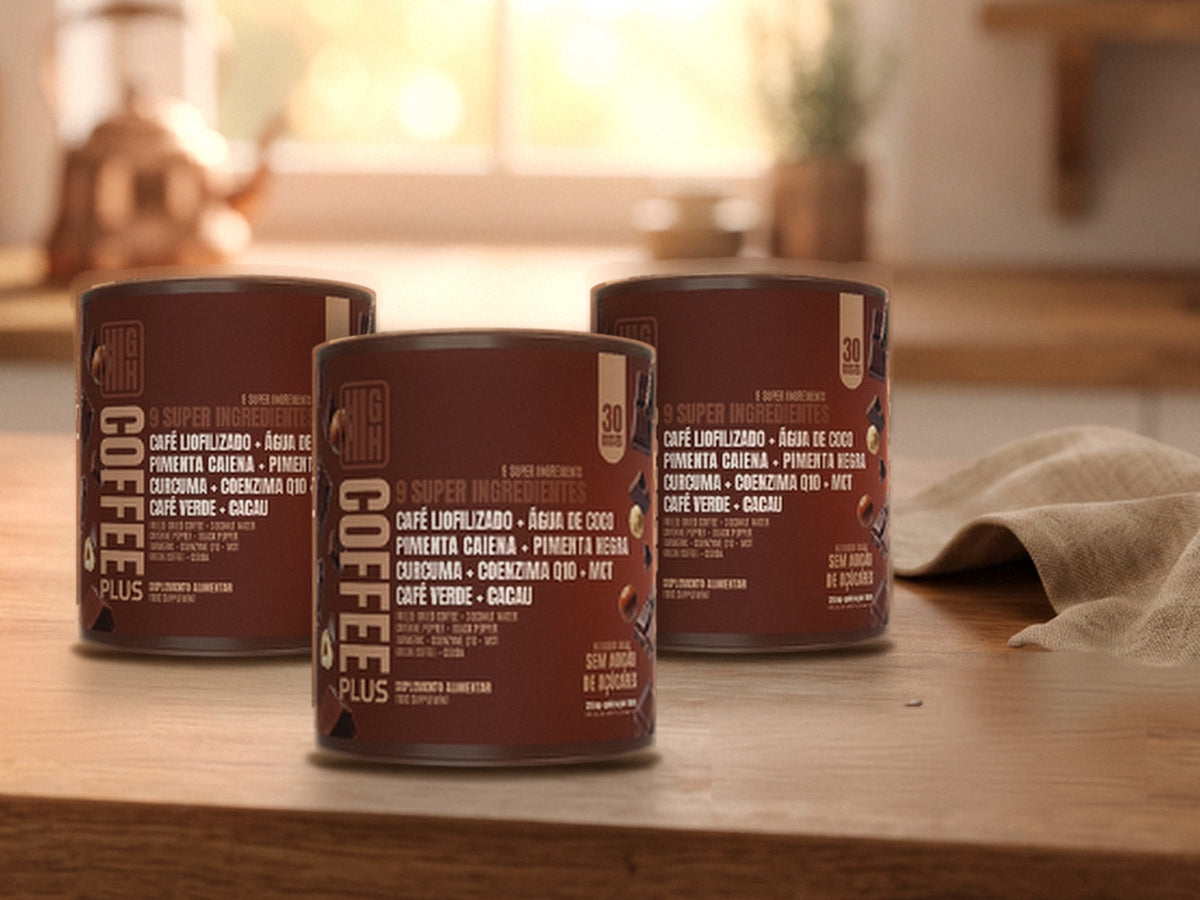
And, for those paying close attention, there's a new HighBrands launch getting closer and closer.
Because the future of wellness isn't just about restriction. It's about balance and consistency



Share:
Hyaluronic acid everywhere: how far does it make sense?
Beyond the Buzzword: What Does Inflammation Really Mean?